Headache after Botox: what’s normal, and when should you call?
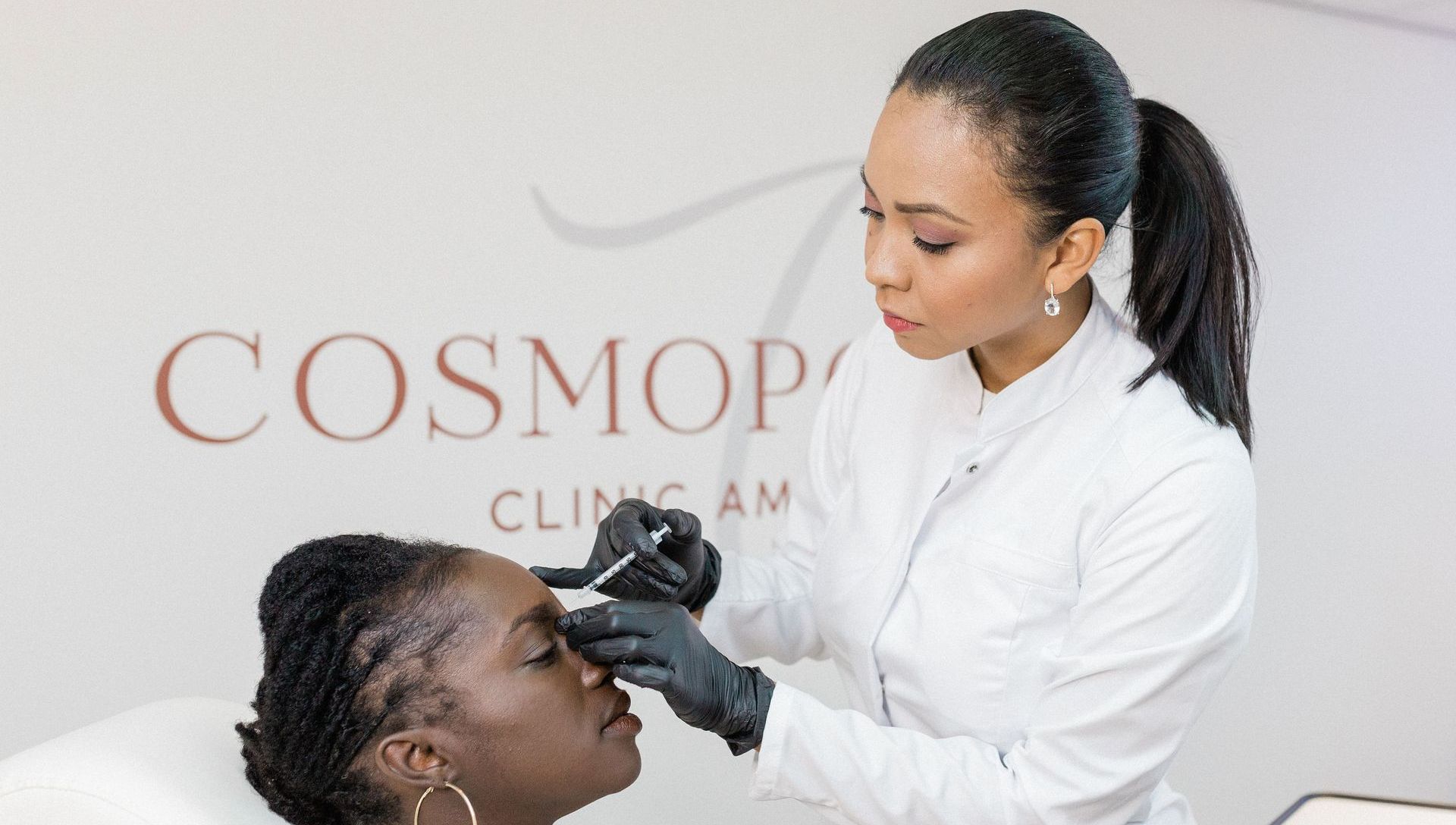
You’ve just had treatment for your frown lines or forehead, and a few hours later—or the next morning—you feel a dull ache behind your forehead. You came in for a fresher look and ended up with a headache for the day. You may be wondering if something went wrong.
Usually not. Headache is listed as a known, temporary side effect in the official product information for botulinum toxin. Still, there are a few situations where you shouldn’t wait and see. In this blog, you’ll learn how common it is, what usually happens, what you can do yourself and which symptoms mean you should call immediately.
Table of contents
- How common are headaches after Botox?
- When does it start, and what does it feel like?
- What causes the headache?
- Headache or a heavy forehead?
- What you can do yourself
- When to call your clinic
- These symptoms need immediate attention
- Headaches from Botox and Botox for migraines: what’s the difference?
- Will you get a headache again next time?
- Frequently asked questions
- Personal advice
- Sources
How common are headaches after Botox?
The Farmacotherapeutisch Kompas, a reference work used by doctors and pharmacists in the Netherlands, classifies headache with botulinum toxin as “common”. This means it affects 1 to 10 out of every 100 people treated with it.
The product information for Bocouture, one of the medicines approved for cosmetic treatments of the upper face, paints the same picture. For both frown-line treatment and combined treatment of the frown area, forehead and crow’s feet, headache is listed as “common”, the English term for the same category of 1 to 10 percent.
The treatment area matters. In a large series of more than 2,000 masseter muscle treatments, headaches were reported after 0.58 percent of treatments. Read more about this treatment in the disadvantages of masseter Botox. This suggests headaches are more common after treatment of the forehead and frown area than after jaw treatment.
So most people don’t experience it, but those who do are not alone.
When does it start, and what does it feel like?
According to the Bocouture product information, side effects usually occur in the first week after treatment and are temporary. A headache may start the same day.
The product information does not describe exactly how the pain feels, and it varies from person to person. One detailed case report describes a 45-year-old woman who received 10 units in her frown lines one morning. By that afternoon, she already had a severe headache that started in her forehead and later spread to the back of her head, along with sensitivity to light. This was an unusually severe case, reported because it was so uncommon. It does show, however, that a headache can start soon after treatment.
Note the difference from what you might feel during the injections themselves. According to the product information, the injections or anxiety before treatment may cause a so-called vasovagal reaction. You may feel light-headed or nauseous for a moment, or hear a ringing sound in your ears. This happens during or shortly after treatment. It is different from a headache that starts hours later.
The relaxing effect of the medicine itself only starts later. According to the dermatology professional guidelines, the effect usually begins 24 to 48 hours after treatment, with the maximum effect after three to ten days. So headaches and the visible results don’t happen at the same time.
What causes the headache?
There is no definitive explanation. The manufacturer of Bocouture states that side effects may be caused by the product itself, the injections, or both.
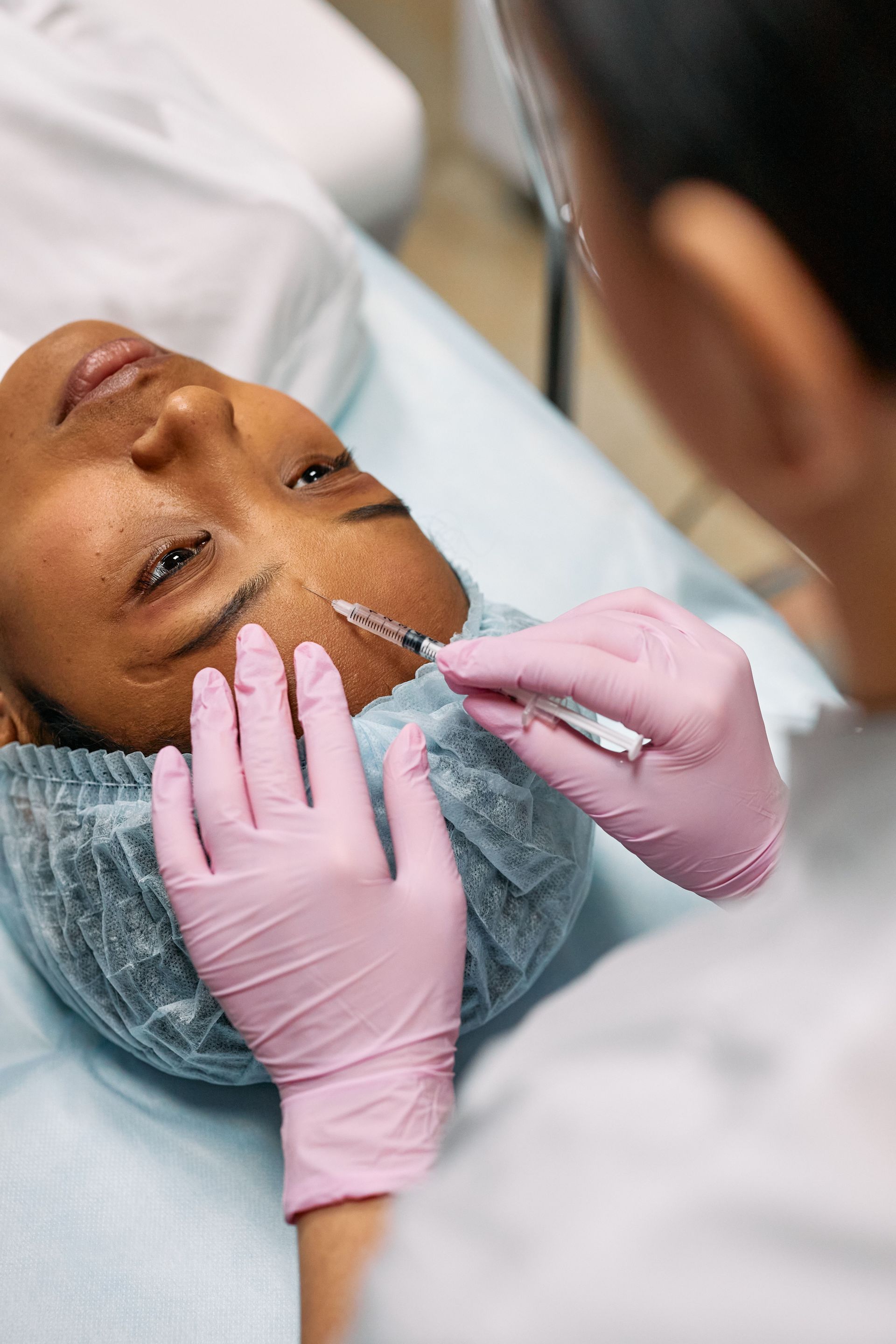
The injections themselves can hurt. Several small injections are given into muscles just beneath the skin. The product information lists pain and tenderness at the injection site as injection-related side effects.
There is also a change in the balance between the muscles. Your forehead muscle lifts your eyebrows, while the frown muscles and the muscles around the eye socket pull them down. If some of these muscles temporarily work less, the others have to adjust. This is often suggested as an explanation for headaches in the first few days. There is no strong evidence for this mechanism.
The headache is not a sign that the medicine is travelling to your brain. The product information states that after injection into a muscle, botulinum toxin quickly and firmly binds to the local nerve endings, and that at the usual doses the medicine has not been found to reach the central nervous system.
Headache or a heavy forehead?
Many people lump two symptoms together. A headache is pain. A heavy forehead is a pressing, sluggish feeling, as if your forehead or eyelids are heavier than usual. In the Bocouture product information, they are listed separately: headache is common, while a heavy feeling in the forehead or around the eyebrows is uncommon, meaning it affects fewer than 1 in 100 people.
That heavy feeling is related to how the treatment works. Your forehead muscle is the only muscle that lifts your eyebrows. If that muscle works less, it can feel as though your forehead moves less freely. On our page about treating forehead lines, we explain why the forehead is almost always considered together with the frown area.
This distinction can help when you call your clinic. Tell them whether it is pain or mainly a heavy feeling, and whether you’ve noticed any change in the position of your eyebrows or eyelids. This information will help the doctor assess what may be going on.
What you can do yourself
For an ordinary headache after treatment, you can usually wait and see. If you want to take something for the pain, Thuisarts.nl, the public information service for GPs, recommends paracetamol as a painkiller. Take it according to the package leaflet, and don’t use it for days on end without consulting a healthcare professional. Taking painkillers often can itself cause headaches.
A few practical points for the first few hours and days:
- Don’t rub or massage the injection sites. This helps keep the medicine where it belongs.
- Stay upright for the first four hours after treatment and don’t lie flat.
- Skip strenuous exercise, saunas and sunbeds that day.
- Rest and get enough sleep. According to Thuisarts.nl, poor or insufficient sleep can also cause headaches.
- Note when the pain began, where you feel it, and whether anything else is happening. This can help if you decide to contact us.
The first three points are the same aftercare advice given on our treatment pages for wrinkle-relaxing injections.

When to call your clinic
The product information does not specify a set number of days after which a headache is considered “too long”. The side effect is described as temporary. Our rule of thumb: contact the clinic where you were treated if any of the following applies to you.
- Your headache isn’t easing after a few days, or is getting worse.
- Paracetamol barely helps.
- The pain is different from the headaches you normally get.
- As well as pain, you notice that one eyebrow or eyelid is lower, or that your face looks uneven.
- You’re worried. That’s always a good reason to call.
Cases of severe, persistent headache after treatment of the frown area have been reported. In a 2002 American article, dermatologists described five such patients. This was a small number of people in a case report. The frequency of this side effect was not investigated. The main takeaway is that persistent or severe headaches should be taken seriously and not dismissed as “part of the process”.
These symptoms need immediate attention
The Farmacotherapeutisch Kompas and the product information warn that, in rare cases, botulinum toxin can spread beyond the injection site. If you have difficulty swallowing, speaking or breathing, or other signs of spread, seek medical attention immediately. Signs of this kind of spread can include a drooping eyelid, double vision, difficulty swallowing or speaking, and general muscle weakness.
The usual headache warning signs also apply. Thuisarts.nl advises calling your GP or the out-of-hours GP service immediately if you suddenly develop a severe headache and also have, for example:
- the headache is worse than any you have had before;
- you have a painful or stiff neck when you bend your head;
- you see small red spots on your skin;
- you keep vomiting;
- you have a fever and feel very unwell;
- part of your body suddenly isn’t working properly, such as a paralyzed arm, a drooping mouth, difficulty speaking, or sudden double or blurred vision;
- you feel drowsy.
Not sure whether a symptom is related to the treatment? Call straight away anyway. A GP or out-of-hours GP service can assess it. Be sure to mention that you recently had botulinum toxin treatment, and where and when.
Headaches from Botox and Botox for migraines: what’s the difference?
It may sound contradictory. The same medicine that can cause headaches as a side effect is also used to treat migraines. The dermatologists who reported the persistent cases in 2002 wrote that it is known that botulinum toxin can not only improve headaches but also cause them.
The difference is in the treatment. Medical treatment for migraines is different from cosmetic treatment of your frown area. According to the Farmacotherapeutisch Kompas, botulinum toxin is approved for chronic migraine: people who have at least 15 headache days a month, including at least 8 migraine days. This is a separate treatment with its own injection schedule, in which 155 to 195 units are divided across 31 to 39 injection sites. According to the same reference work, its effectiveness for tension headaches has not been established.
For you, that means two things. If you have a headache after a cosmetic treatment, that doesn’t tell you whether you have migraine. And if regular headaches are more of a problem for you than wrinkles, you should first discuss this with your GP, who can assess what type of headache you have.
Will you get a headache again next time?
There’s no way to predict. Having a headache after your first treatment doesn’t mean it will happen every time, and not having a headache doesn’t mean it will never happen.
It does help to tell us. Mention it at your next appointment, even if it lasted only a day. Tell the doctor which areas were treated, how long the pain lasted and whether you had any other symptoms, such as a heavy forehead. They can then adjust the distribution across the areas and the dosage accordingly. This is especially important if you have several areas treated at once, such as frown lines, the forehead and crow’s feet.
If possible, keep the two weeks after your treatment free of major events. Headaches usually occur in the first week, so you won’t have to deal with one at a party or an important work meeting.
Sources
| Subject | Sources |
|---|---|
| Headache is listed as a "common" side effect (1 to 10 percent); seek immediate medical attention for difficulty swallowing, speaking or breathing, or signs of toxin spread (ptosis, double vision, difficulty swallowing, speech disorder); approved for chronic migraine (at least 15 headache days per month, including at least 8 migraine days; 155 to 195 units across 31 to 39 injection sites); effectiveness for tension-type headache has not been established. | Farmacotherapeutisch Kompas, botulinum toxin A (National Health Care Institute, accessed September 25, 2026). |
| Headache “common” after treatment of the frown area and upper face; heavy feeling in the forehead or around the eyebrows “uncommon”; side effects usually occur in the first week and are temporary; side effects may be caused by the medicine, the injection or both; pain and tenderness at the injection site; vasovagal reactions caused by needle pain or anxiety; seek medical care immediately for difficulty swallowing, speaking or breathing; nerve-to-muscle transmission recovers within 3 to 4 months; at therapeutic doses, the medicine has not been found to reach the central nervous system. | Summary of Product Characteristics Bocouture 50 and 100 units, Merz Pharmaceuticals (emc, updated 22 January 2026). |
| Five cases of severe, persistent headache after treatment of the frown area, including a 45-year-old woman who developed a headache that afternoon after 10 units; botulinum toxin can both improve and cause headaches. | Alam M, Arndt KA, Dover JS. Severe, intractable headache after injection with botulinum A exotoxin: report of 5 cases. Journal of the American Academy of Dermatology 2002;46(1):62-65 (published case report). |
Frequently asked questions
Is a headache after Botox normal?
Yes, it’s a known side effect. The Farmacotherapeutisch Kompas classifies headache as "common": affecting 1 to 10 out of every 100 people treated. It is temporary and usually occurs during the first week after treatment.
How long does a headache last after Botox?
The product information describes it as a temporary side effect but does not specify how many days it lasts. If the pain hasn’t eased after a few days, gets worse, or paracetamol barely helps, call the clinic that treated you.
Can I take paracetamol after Botox?
Yes. Thuisarts.nl lists paracetamol as a painkiller for headaches. Take it according to the patient information leaflet, and don’t take it for several days in a row without consulting a healthcare professional. In the meantime, don’t rub the injection sites.
Can Botox cause persistent headaches?
The effect of the medicine is temporary. According to the product information, nerve-to-muscle transmission normally recovers within three to four months. A few cases of severe, persistent headache after treatment of the frown area have been reported. If your headache persists, always get it assessed.
Why do I have a headache after Botox in my frown lines?
There is no definitive explanation. According to the manufacturer, side effects may be caused by the medicine, the injection or both. The frown and forehead areas are among the areas where headache is listed as “common” in the product information.
Personal advice
Do you have a headache after a treatment with us, or are you unsure whether a symptom is related? Call or email us, even if it’s just a quick question. Considering treatment and previously had a headache after Botox at another clinic? Bring it up during your consultation. Our doctors, including Dr. Leanne Wong (cosmetic physician, KNMG), will help you decide which areas and dosage are right for you. View all our wrinkle relaxers or contact Cosmopolitan Clinic in Amsterdam.